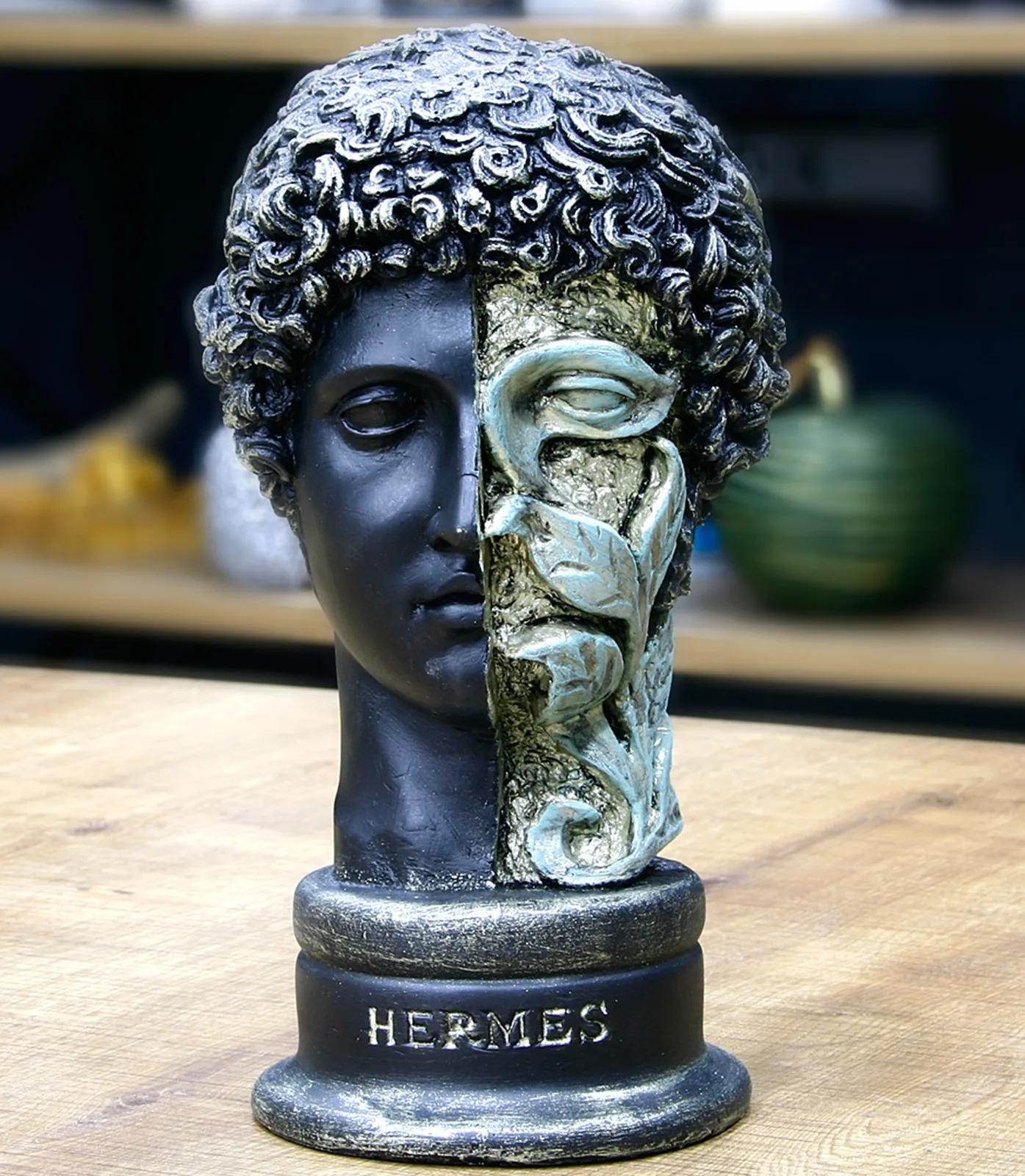
Sculpture is the art of giving material volume and balance. Many people assume they "aren't the artistic type" and stay away from it, but sculpture is largely a skill built through observation and repetition — not so different from learning to paint with a brush. Here's what beginners should know.
Do you need talent for sculpture?
No. Observation and patience are enough. As you learn to see form, proportion and balance, your hands follow — most students are surprised by what they can do after just a few lessons. Studio work usually starts with basic observation exercises in anatomy and proportion; the technique settles in over time.

Clay or plaster? Where to start
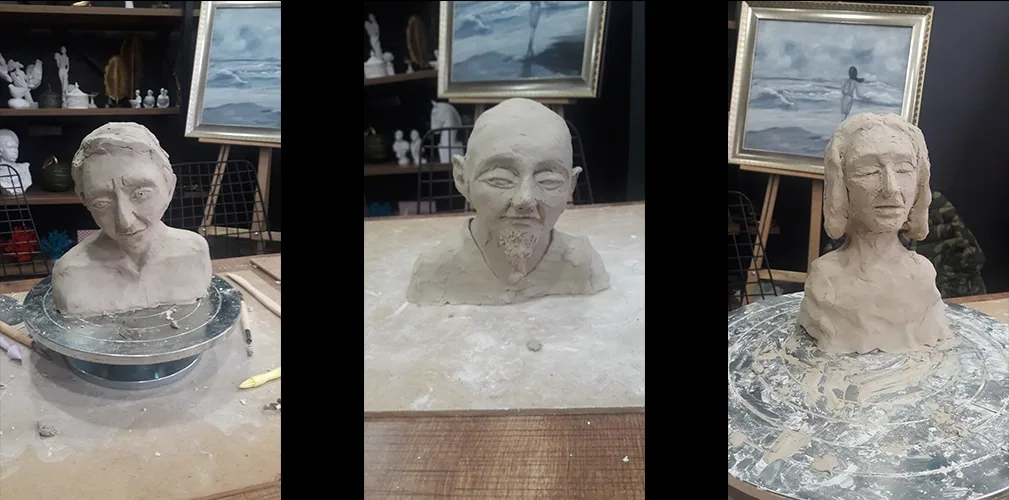
Beginners mostly work in clay; it's forgiving, mistakes are easy to fix, and it lets you rework a form as many times as you like. Further along, you move on to plaster mold-making and casting — transferring a form shaped in clay into a more permanent material. Each material has its own rhythm: clay is more meditative and open to trial and error, while plaster calls for a more precise, planned process.
How do you start a bust or figure study?
Most studios begin with simple geometric forms, or the basic lines of a bust: first the overall mass and proportion are set, then details — facial features, curves, texture — are added. A bust study usually works from a photo or model as reference; the goal isn't an exact copy, but understanding the logic of the form. Free-form pieces, on the other hand, are guided entirely by your own imagination.
What happens to your piece?
Clay pieces are dried, and fired in the kiln if you'd like, so they become permanent. Plaster pieces go home with you right at the end of the class. Either way, what you end up with is tangible proof of the observation skills you've built along the way.